We are receptive towards messages from what and who we like to such and extend that facebook designed one of its key features around this: fan pages. You can choose to “like” a fan page and in turn subscribe to posts from that page. It is a feature both popular among users but even more popular among fan page owners, as it leverages the very persuasive principle of Liking1.
We respond much more favorably to people and things we like and know
We respond much more favorably to people and things we like and know than those we either do not like or are not familiar with. This fact can be used to increase the likelihood of strangers complying to your requests.
When a stranger tells us that a friend of ours suggested we could help, we have a hard time rejecting the person – even though he or she is a total stranger. Turning away a person under those circumstances is difficult – it’s almost like rejecting the friend!
We are quick to point out flaws of political candidates of the opposition, but have a tendency to look through failures of who we root for. The more we like people and things, the more open we are to complying with what they communicate.
Liking of you and your products depend on a series of things. Those listed below are summed up from Cialdini’s book: Influence1.
Physical attractiveness
It is generally acknowledged that good-looking people have an advantage in social interactions. A sort of halo effect occurs when one positive characteristic of a person dominates the way that person is viewed by others. Research has shown that we automatically assign favorable traits as talent, kindness, honesty, and intelligence to good-looking people1. The same is true for a good-looking product. Attractive things work better2. As does good-looking web design.
We automatically assign favorable traits as talent, kindness, honesty, and intelligence to good-looking people
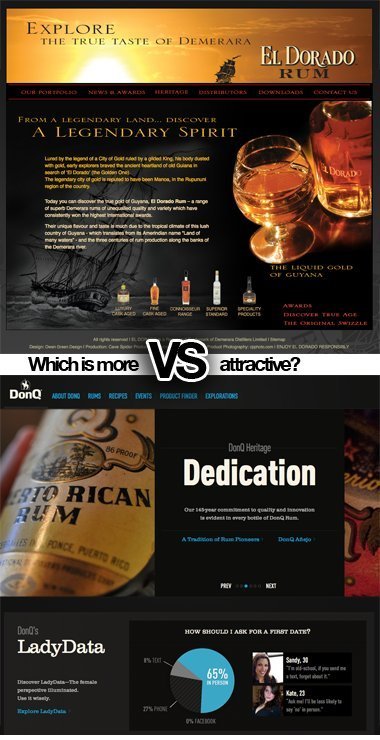
Which is do you think is more attractive? We assign favorable traits to attractive things and look past less attractive traits
Similarity
We tend to favor people with similar backgrounds and interests. Find a way to either assure your users that you are like them, or that your users are similar to them. Testimonials from people with the same problems, backgrounds, or interest can help spark liking you.
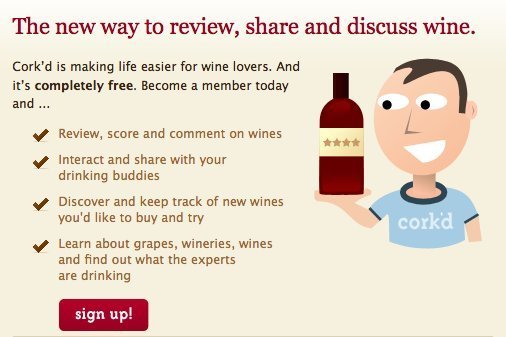
Corkd.com explains why you should sign up by saying "interact and share with your drinking buddies". You can interact about wine with people of similar interests (wine).
Compliments
We are big suckers for flattery. Even when we are completely aware that its impersonal, clearly false, and designed only to convert us, we tend to believe praise and to like those who provide it. Compliments and praise automatically produces a positive reaction that makes easily makes us fall victim to obvious attempts to win our favor1.
Contact
Contact between people who would normally dislike each other can increase likening and understanding between the two, depending on the experience. A positive experience leads to a higher familiarity and liking while a distasteful one produces the opposite effect.
Mass chat communities like those generated by IRC has brought people together that would normally never get a chance to talk. Even though the chat might not have been about breaking down boundaries, meeting and talking to people not similar to ourselves increase our liking of the group those people represent.
Cooperation rather than competition
We like people and things that are familiar to us or seems like us, as we can identify with them. We also have a tendency to dislike people and things that are not familiar and do not seem like us.
Once competition between people starts, this effect is enhanced. Competition makes us stick with what we know and distance ourselves from what we don’t.
Cooperation on the other has a dampening effect. Cooperation with people who are not like us can help us like them more. Even a vague understanding of a cooperation taking place will help. Use cooperation to increase liking between groups that a far apart. Point out cooperation in a situation when it exists naturally. Amplify cooperation when it exists only weakly. Try to manufacture it when it is absent. Can you create a feeling of “us against the system”, that we “pull together” for mutual benefit, or that you work together with your users to get them to kick ass?
On the other hand, competition can help companies make you dislike their competitors, and make you love their own company more.
Apple’s Mac vs. PC campaign played on the long-time rivalry and competition between Macs and PCs. It helped start and spark a bond between Mac owners that PC owners never had – a connection with one simple Apple-favored message: PC is bad, Mac is good. Brilliant execution!
Point out cooperation in a situation when it exists naturally. Amplify cooperation when it exists only weakly. Try to manufacture it when it is absent
Conditioning & association
We have a tendency to try to bask in reflected glory by what and who we associate and connect ourselves with. We try to connect ourselves to success by using the pronoun “we” and distance ourselves from losers by using “they”. It works. Connect yourself or your products with things your users like to increase liking.
We have a tendency to try to bask in reflected glory by what and who we associate and connect ourselves with.
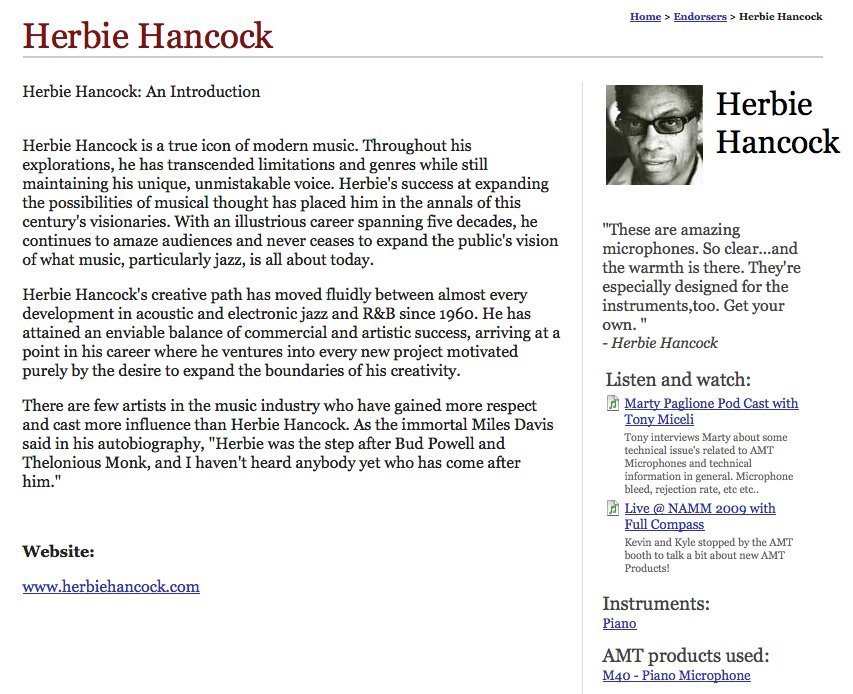
The specialized instrument microphone company, "Applied Microphone Technology" spends large amounts of energy and money to endorse famous and respected artists who use their product. This is an attempt let the liking of the endorsed artists fall back on the microphone company because of the association.
Sources
1 Cialdini, R. (1993), Influence: Science and Practice (5th Edition)
2 Norman, D. (2004), Emotional Design: Why We Love (or Hate) Everyday Things

4 comments
Jack on Nov 17, 2010
Good post Anders. Thank you for sharing.
Best Web Design on Dec 02, 2010
Yes, that is true. We only respond or talk or email to people we know, that is the matter of trust.
Steve on Dec 15, 2010
Good post, although I have to add that we were making money online when our sites were still ugly and my personality was not worked into them, thanks to one thing: good content.
china hotel on Jan 28, 2011
thanks Good post, although I have to add that we were making money online when our sites were still ugly and my personality was not worked into them..
Comments have been closed