Steps Left
Design Pattern
Free weekly newsletter
Real UI patterns and design psychology in your inbox
Learn how successful products use UI patterns and behavioral design. One email a week from UI-Patterns.com and Learning Loop.
SubscribeAlternate titles: Workflow.
Problem summary
The user is about to go through the process of filling in data over several steps and is in need of guidance.
Example
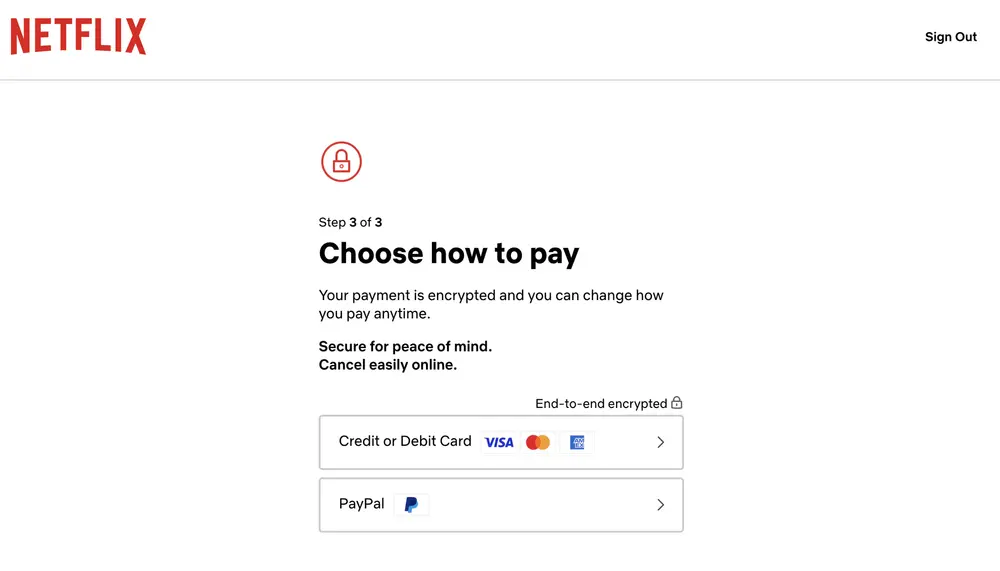
▲ The last step, “Step 3 of 3 Choose how to pay”, adds reassurance about encryption and cancelling online right where the user hands over payment details.
Usage
- Use when a user goal can be split into a series of smaller steps that is easier displayed on separate screens.
- Use when the steps of a process is so long that the user might get the impression that it will go on forever without the guidance of steps.
- Do not use when there is only 1 or 2 steps in submitting data to the website.
- Do not use when the process of filling out data is easily foreseeable.
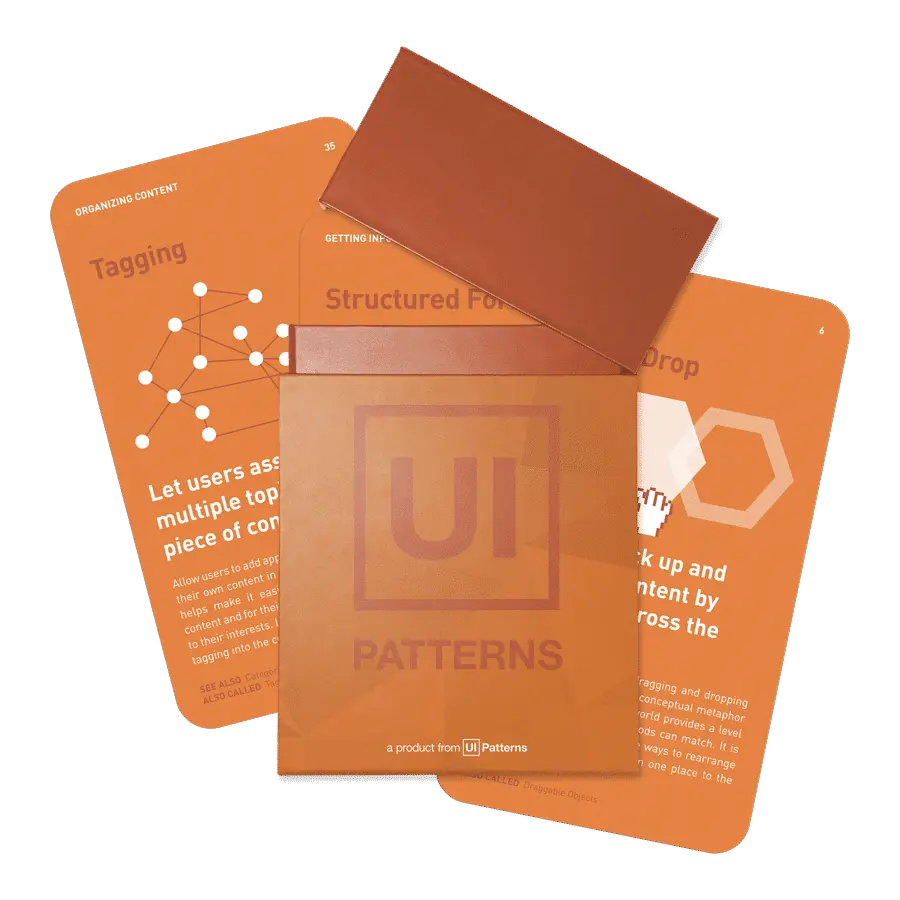
In the card deck
Steps Left is one of the cards in the UI Patterns card deck
A collection of 60 User Interface design patterns, presented in a manner easily referenced and used as a brainstorming tool.
Solution
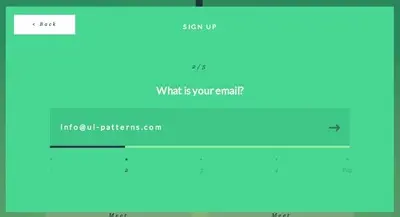
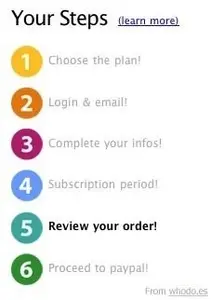
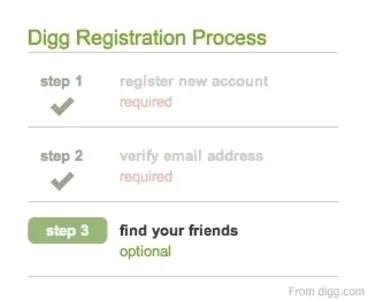
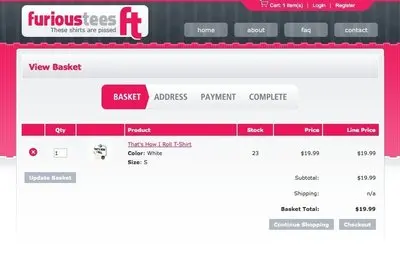
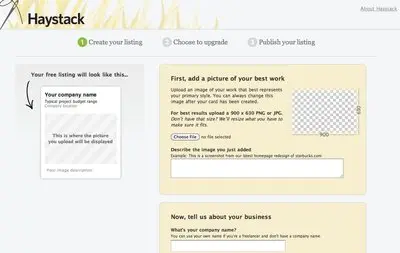
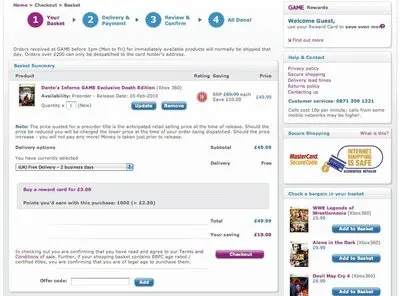
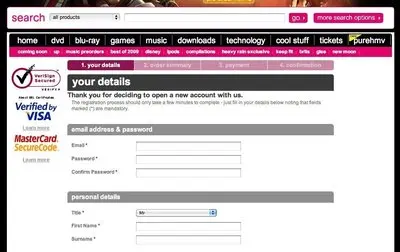
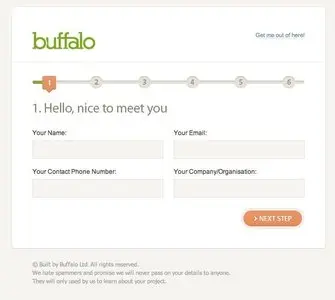
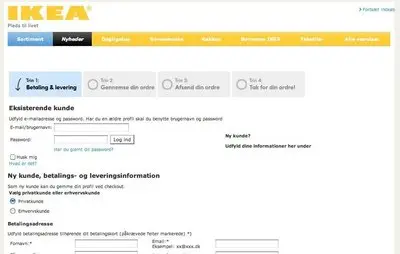
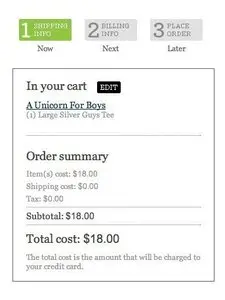
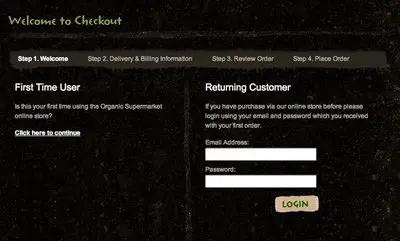
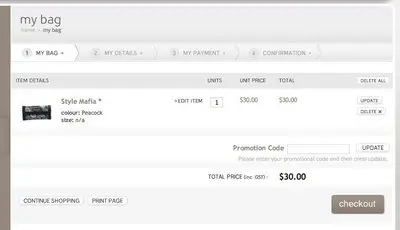
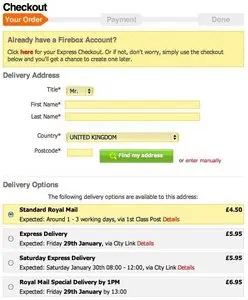
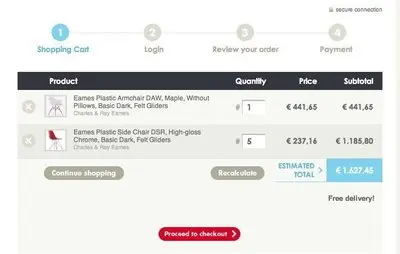
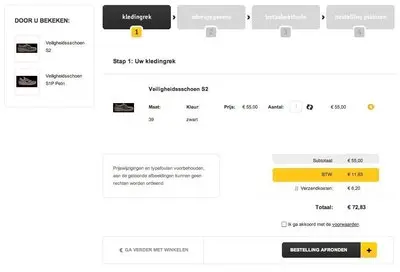
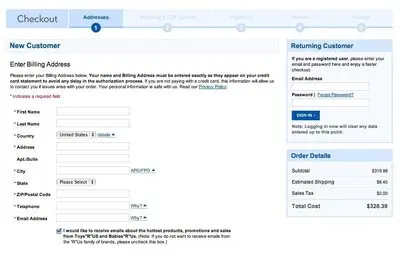
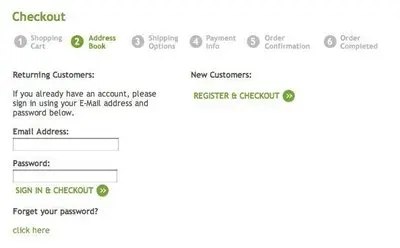
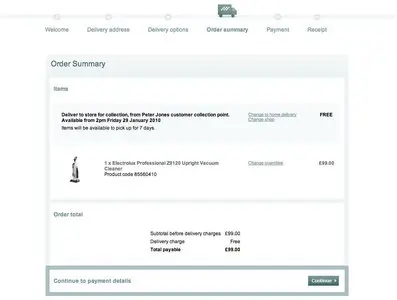
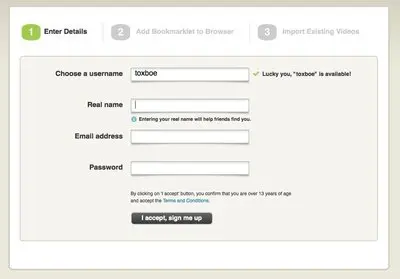
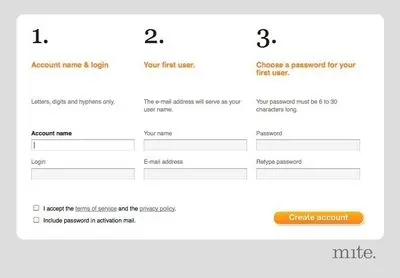
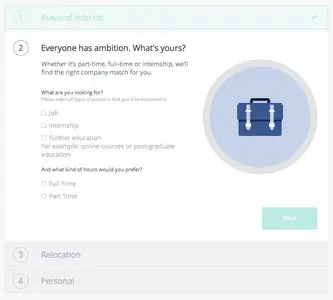
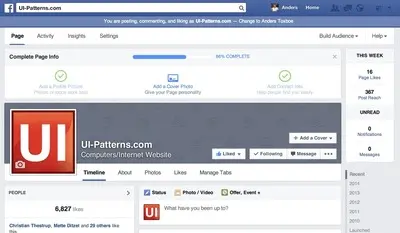
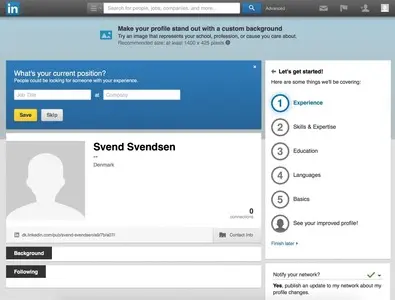
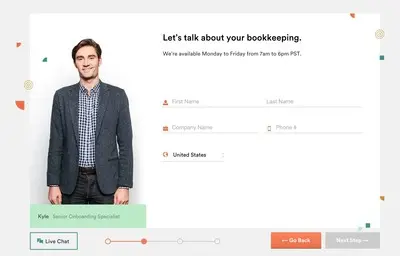
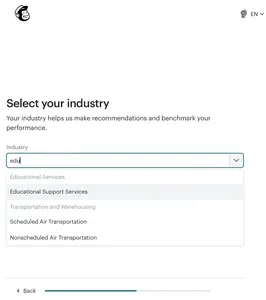
Add a navigation block describing the steps involved in submitting data to the system. The block should always appear on the page. As the user progresses through the process, the navigation block is updated accordingly. The current step is highlighted, giving a clear indication to the user how far they have come and how much further there is to go.
Remove unnecessary distractions like extra navigation, advertisements, and the likes.
Rationale
The Steps Left pattern is used when it is critical to maintain the user’s focus throughout the process of filling in data to the system. This is for instance critical in e-commerce websites, where the checkout process is often guided by this pattern. In e-commerce websites, the checkout process is the most critical part of the site, as this is the part that captures the customer’s money. The Steps Left pattern provide the user with a great overview of how far in the process the user has gone: it provides a visible end to the process, which the user can aim for.
This pattern is similar to the Wizard pattern most commonly found in desktop applications, which guide the user step by step.
Discussion
Workshop exercise for multi-step journeys
For onboarding or checkout flows, map the steps users expect, identify the points where they lose their place, and compare clear progress feedback with simpler alternatives. Learning Loop's Ideas first, Patterns later exercise can help a team explore alternatives before selecting a UI pattern. Measure task completion and user understanding, not just clicks to the next step.
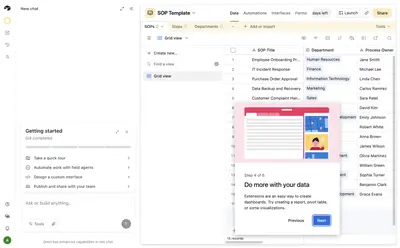
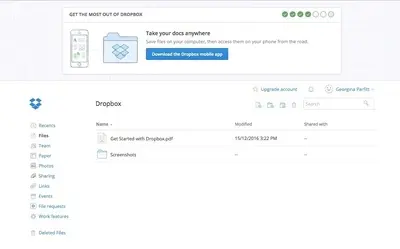
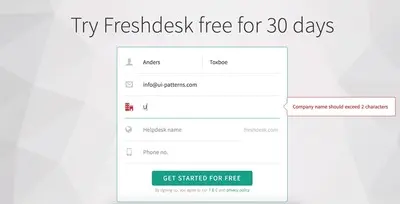
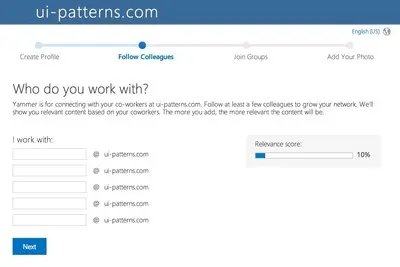
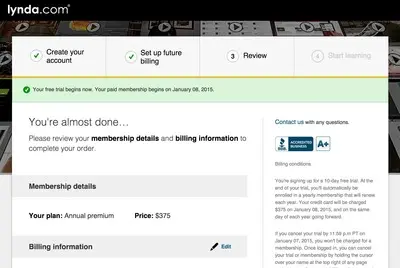
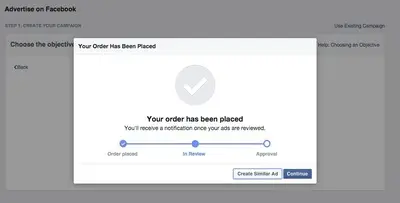
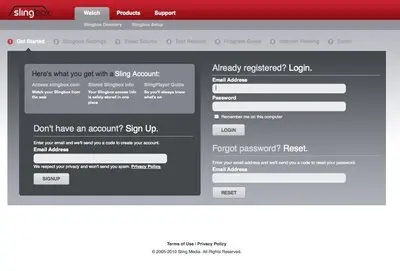
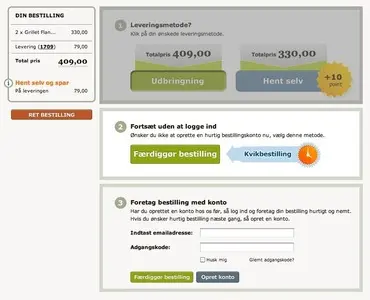
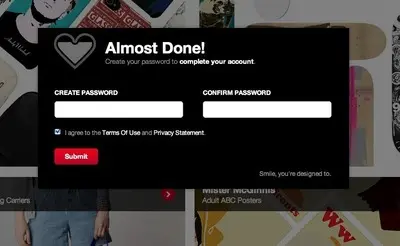
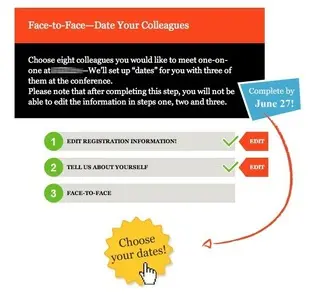
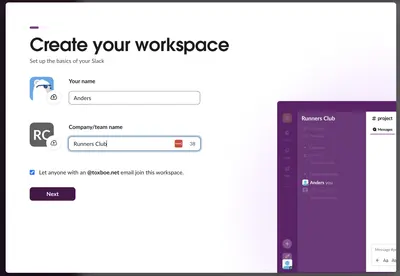
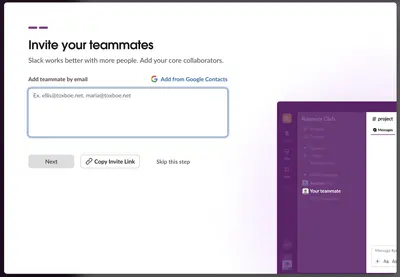
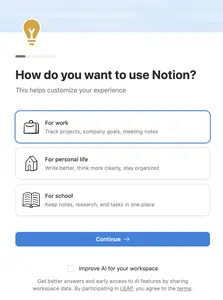
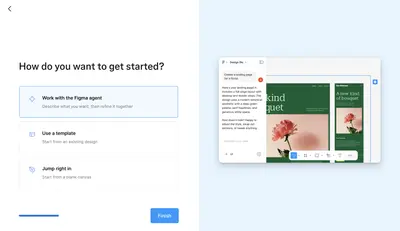
More examples of the Steps Left pattern






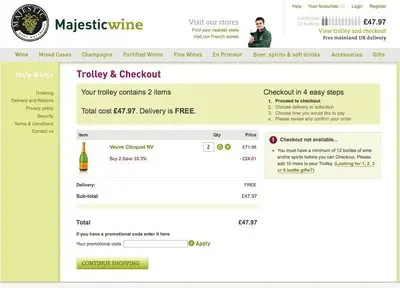
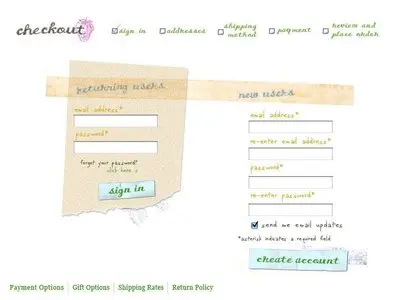
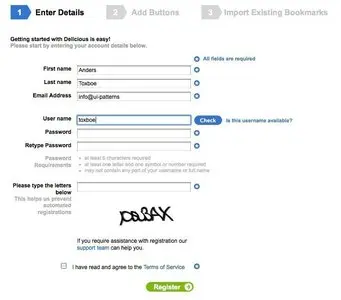

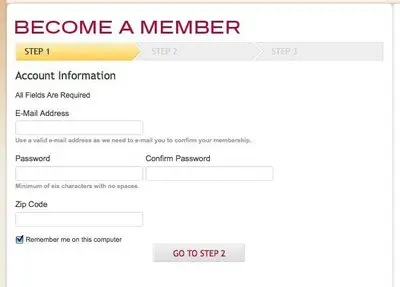






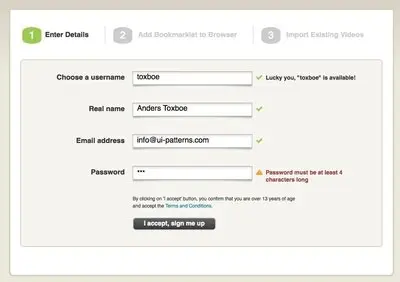
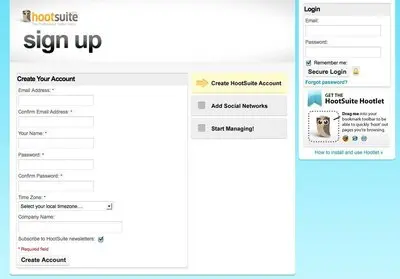
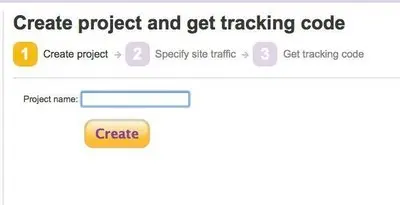

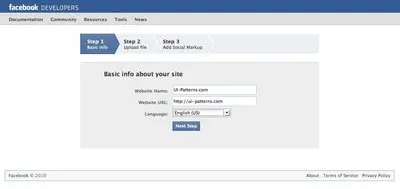



















1 comment
Jasper Kennis on Mar 20, 2008
Tels the user how far he’s already come, and how long a process is still to take. Good feedback and feed forward at once, great success! Without it, its as if someone is pointing at you with a flashlight. You can see whats behind you, and you can see where the light is, but you can’t see behind that and between you and the light its hard to see too.
Comments have been closed